

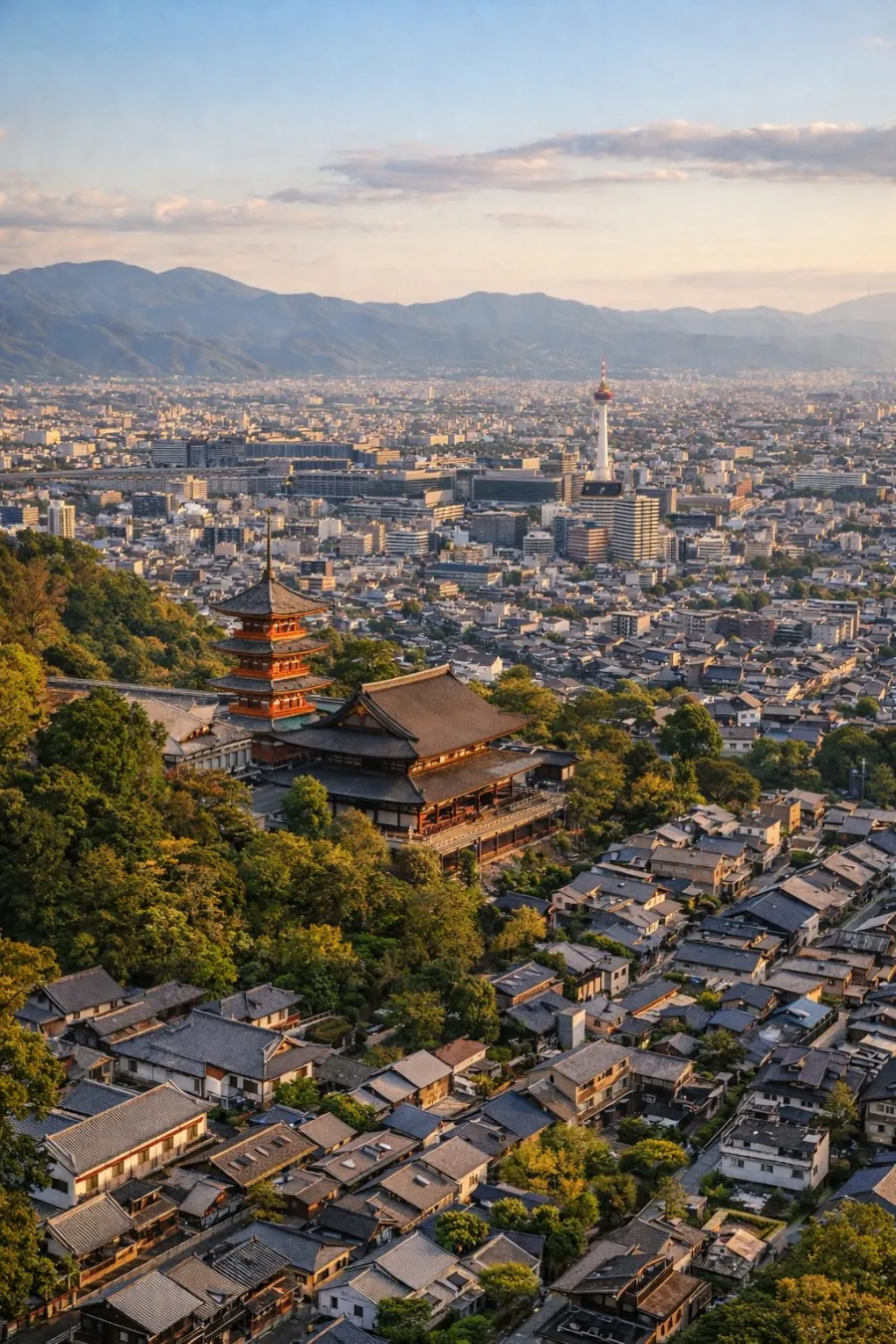
In short: 10 days and 9 nights in Japan, with 7 stops: Tokyo → Mount Fuji → Hakone & Fuji Five Lakes → Kyoto → Fushimi Inari Shrine → Nara → Osaka. Best time to go: March–May, October–November.
If you only get one trip to Japan, this is the one. Ten days take you from Tokyo’s neon to the calm of Kyoto’s temples, past Mount Fuji, and end with a food crawl through Osaka. Trains are fast, every leg is short, and you’ll collect seven cards on the way, including a Rare one in Nara.
When to go
Spring (late March to May) and autumn (October to November) are the classic seasons: cherry blossom in spring, red maples in autumn, and comfortable temperatures for walking all day. They are also the busiest months, so book the Kyoto stay early.
- June, September and December work well, with fewer people.
- July and August are hot and humid, with typhoon risk, although they are the only months to climb Mount Fuji.
- January and February are cold but clear, often with the best views of Fuji.
The route, stop by stop
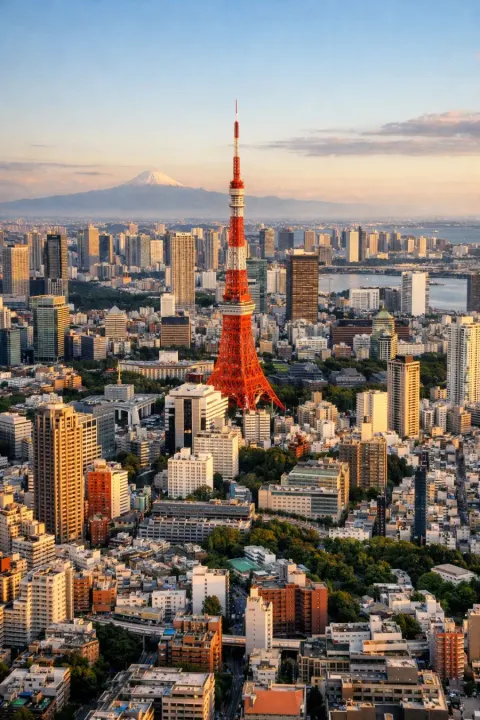
1 · Tokyo — 3 nights
Start in the world’s largest city and let it overwhelm you a little. Cross the Shibuya scramble, get lost in Shinjuku’s lantern alleys, see Senso-ji in Asakusa early in the morning, and end the day on a rooftop with the city glowing to the horizon. Three nights is enough for the highlights plus one neighbourhood just for wandering.
Tip: get an IC card (Suica or Pasmo) on day one. It covers almost every train, bus and convenience store.
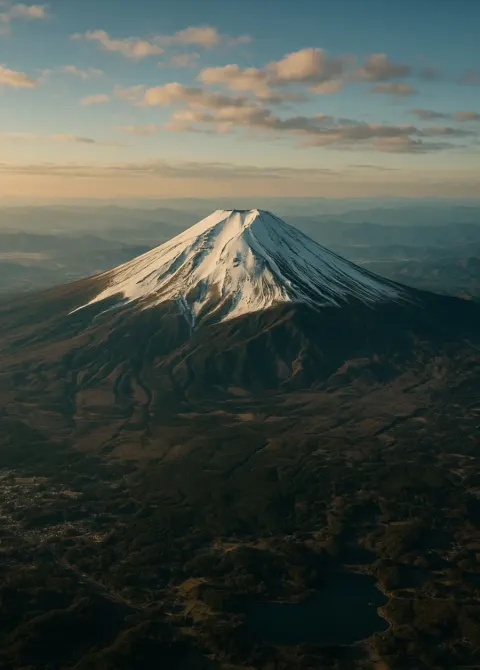
2 · Mount Fuji — day stop
On the way west, give Japan’s sacred volcano a day. Its almost perfect cone has inspired artists and poets for centuries. From the Fuji Five Lakes, Lake Kawaguchi gives you the postcard view with Fuji mirrored in the water. Clear mornings give the best chance, because clouds tend to build up by noon.
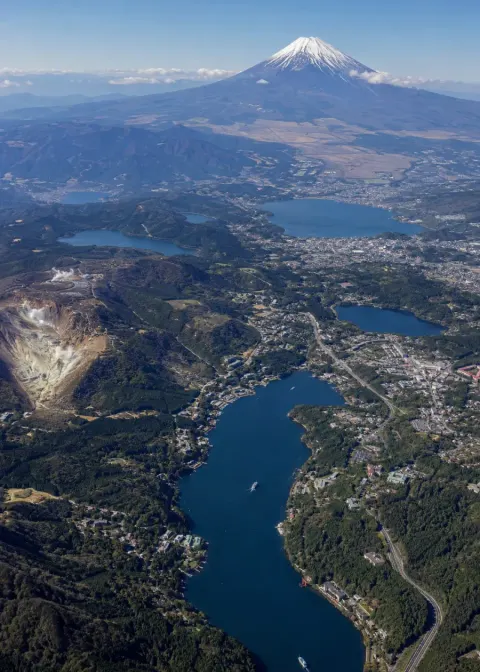
3 · Hakone & Fuji Five Lakes — 1 night
Spend the night in a ryokan with an onsen bath fed by the volcanic Owakudani valley. The Hakone loop combines a mountain railway, a ropeway over the sulphur vents and a pirate ship across Lake Ashi. It’s touristy, but worth it, especially when Fuji appears above the lake.
Tip: the Hakone Free Pass covers the whole loop.
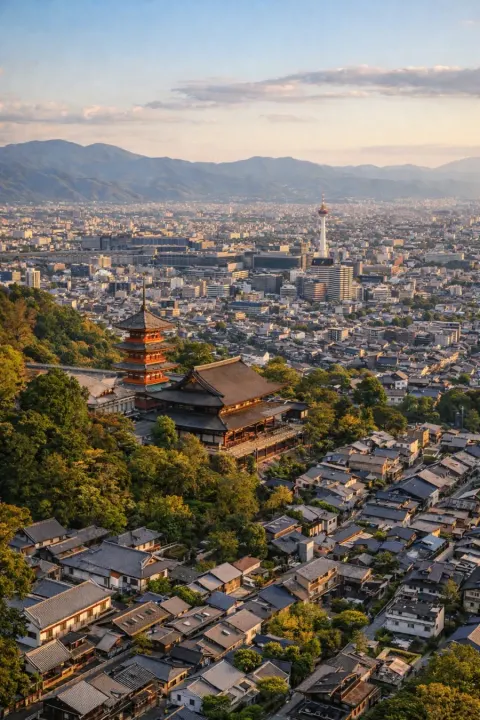
4 · Kyoto — 3 nights
Japan’s former imperial capital has more than a thousand temples and shrines. Walk the lanes of Higashiyama to Kiyomizu-dera, cross the bamboo grove of Arashiyama at sunrise, and look for geiko in Gion at dusk. Kyoto rewards slow mornings and early starts. Base yourself near Kyoto Station or downtown for easy day trips.
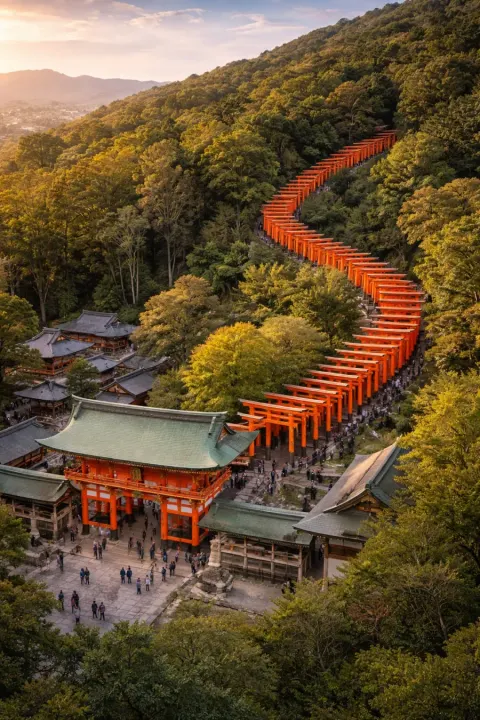
5 · Fushimi Inari Shrine — day stop from Kyoto
Thousands of vermilion torii gates, each one donated by a person or a business, form tunnels winding up Mount Inari. Most visitors turn back after the first gates. Keep climbing for half an hour and you’ll have them almost to yourself. It’s open 24 hours, and early morning or late evening is magical.
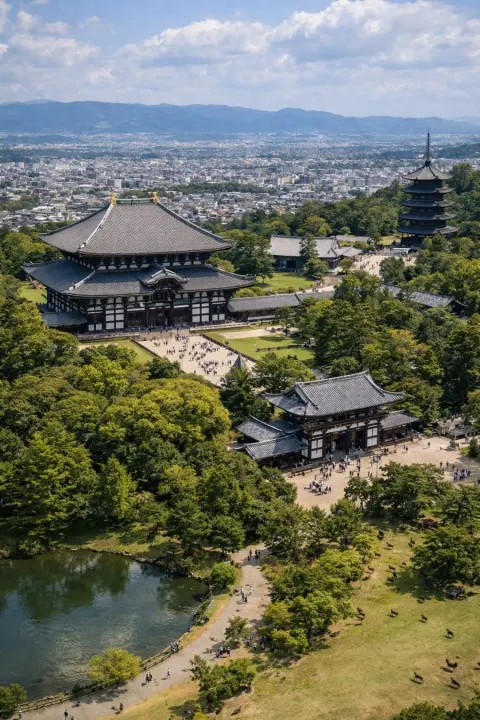
6 · Nara — day stop from Kyoto (Rare card)
Japan’s first permanent capital is a short train ride from Kyoto. Hundreds of free-roaming, bowing deer greet you in Nara Park, and Todai-ji houses one of the largest bronze Buddhas in the world. Nara is a Rare card in Xplore. Many travellers skip it, so it’s a nice one to have.
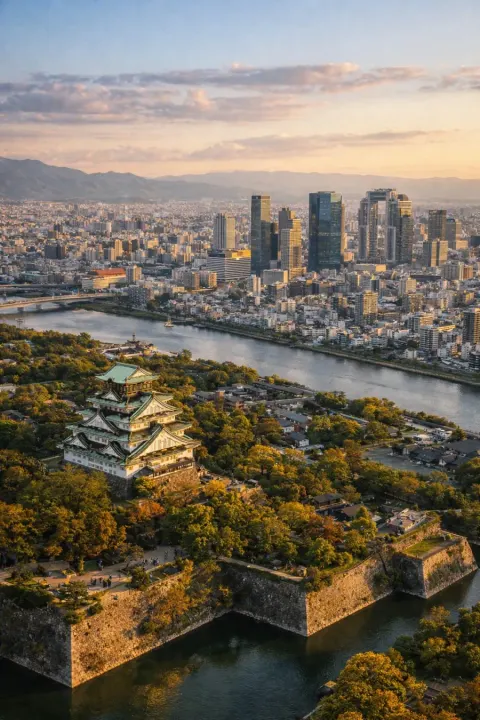
7 · Osaka — 2 nights
Finish in Japan’s kitchen. Osaka is louder and more relaxed than Kyoto: eat takoyaki and okonomiyaki under the neon of Dotonbori, explore Osaka Castle, and take the evening for a street-food crawl. Kansai International Airport is close by for the flight home.
Practical tips
- Rail: compare a Japan Rail Pass with single Shinkansen tickets. For this route, single tickets are often cheaper.
- Luggage: use a luggage forwarding service (takkyubin) from Tokyo to Kyoto and travel light to Hakone.
- Booking: Kyoto and Hakone ryokan fill up months ahead in spring and autumn.
- Order: this route also works in reverse if you fly into Osaka (KIX).